Training Course on Laboratory Animal Science
DOI:
https://doi.org/10.36440/recmvz.v17i3.37998Keywords:
Laboratory animals; Technical responsibility; Legislation; Ethics; TeachingAbstract
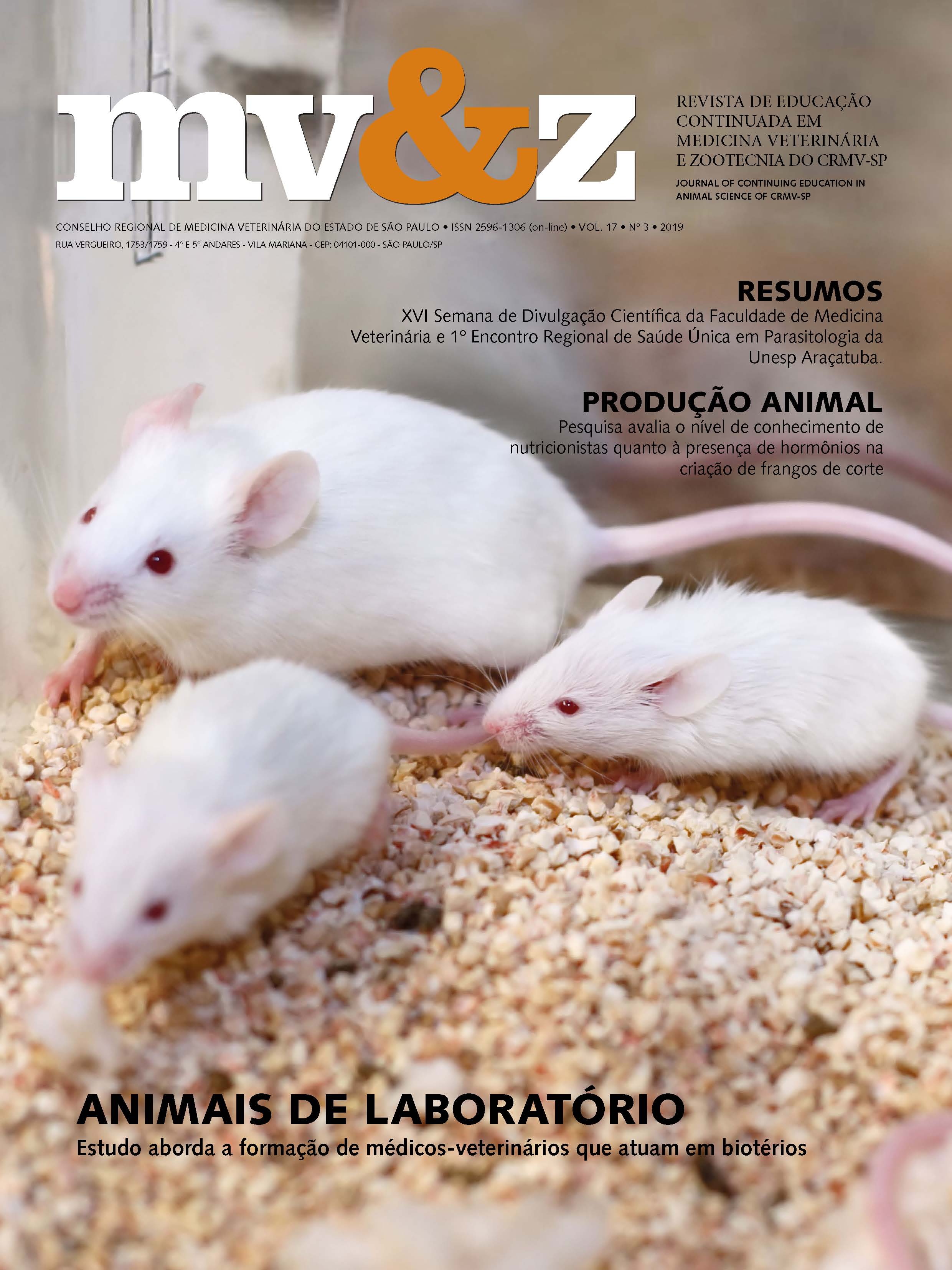
Laboratory Animal Science requires a multidisciplinary approach. Professionals working with laboratory animals should have the knowledge on how to choose the right animal model and its speciesspecific ethological needs, how to choose the best anesthesia, analgesia and euthanasia protocol, how to refine the care procedures including recognition and treatment of pain in order to improve the animals welfare , as well as how to design an experimental and to conduct statistical analysis of the experimental data. To meet these needs, professionals who perform, take part, supervise experimental procedures on animals, or take care of laboratory animals, should receive training, with programs aimed to implement the 3Rs and to promote the welfare of laboratory animals, and therefore guarantee the quality and reproducibility of experiments with ethical, scientific and economic benefits. Veterinarians with experience in laboratory animal medicine are required to be part of the Animal Facility staff in Europe and in the United States, and most recently, in Brazil, established by the National Council for the Control of Animal Experimentation (Concea). Veterinarians working with laboratory animals have a key role in guiding other professionals and researchers regarding issues related to animal welfare and care. Since it is necessary to follow the Concea recommendation, it is visible the importance to have the veterinary undergraduate students and veterinarians properly trained in order to provide the best quality of life for the animals used in research and consequently having relevant, translatable scientific data and the most beneficial use of these animals.
Downloads
Published
Issue
Section
License
1. Autores mantém os direitos autorais e concedem à revista o direito de primeira publicação, com o trabalho licenciado sob a https://creativecommons.org/licenses/by/4.0/.
2. Autores têm autorização para assumir contratos adicionais separadamente, para distribuição não-exclusiva da versão do trabalho publicada nesta revista (ex.: publicar em repositório institucional ou como capítulo de livro), com reconhecimento de autoria e publicação inicial nesta revista.
3. Autores têm permissão e são estimulados a publicar e distribuir seu trabalho on-line (ex.: em repositórios institucionais ou na sua página pessoal) a qualquer ponto antes ou durante o processo editorial, já que isso pode gerar alterações produtivas, bem como aumentar o impacto e a citação do trabalho publicado (Veja O Efeito do Acesso Livre).
How to Cite